Field Note 005: To Freckle or Not to Freckle: Deconstructing the SJM Canon vs. The Algorithm
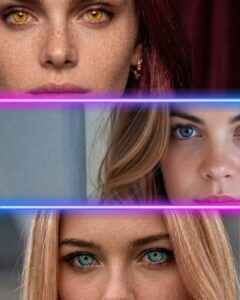
Scroll through any fantasy feed or character gallery, and you’ll start to notice a striking pattern of sameness—the Romantasy Convergence.
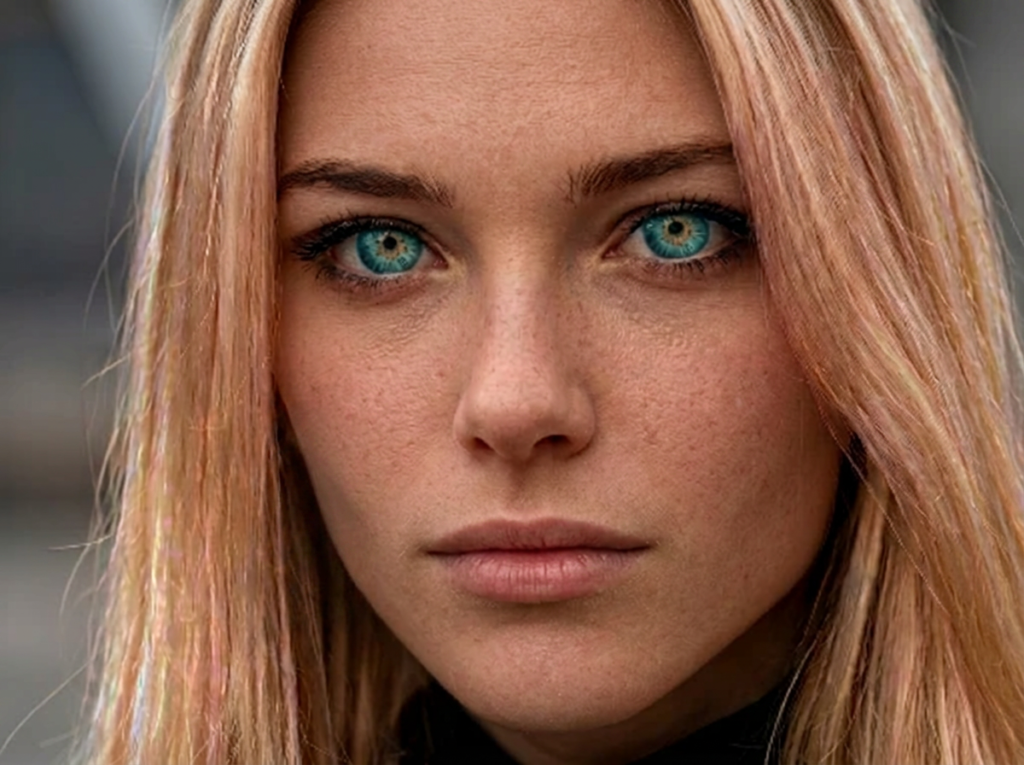
Despite what is actually on the page, across different worlds, authors, and series, fan art creations of our heroines are increasingly rendered with near-identical visual markers: dense, high-contrast nose-bridge freckles, airbrushed porcelain skin, and a uniform facial structure.
The creative ideas can be fire, the scripts fantastic, the fan commentary gold—but the visuals, although sleek and cinematic, feel the same. Barbie faces and figures with different eye colors, hair colors, and skin tones. A story as old as time.
In the Romantasy space, it’s easy to see why this happens. In traditional fan art, historically, dialing up freckles is often a deliberate, creative choice—an artist’s personal stylization to signal youth, an outdoorsy nature, or a rebellious spirit. But a different dynamic takes over when technologies are used for full image generation rather than as a precision tool for special effects with a human in the loop. Unguided image generators rely on vast training datasets that over-index on these popular visual shortcuts and societal “isms” on features.
The result is a perpetual feedback loop. Heavy freckles get generated, posted, and liked; those images feed back into data models and social media algorithms; and slowly, both creator tools and the fandom at large begin thinking, feeling, and seeing heavy freckles (let alone homogeneous facial bone structures) as a mandatory visual default for every fantasy heroine.
When that homogenization sets in, the deep, specific connection to the original text can start to feel a bit hollow and interchangeable. But when you actually sit down with Sarah J. Maas’s canon, a far richer, more dynamic picture emerges—one that celebrates true regional diversity and environmental realism.
The Textual Reality: Deconstructing the Characters
Skin in SJM’s universe isn’t a static chalk-white canvas, nor are freckles a one-size-fits-all face stamp. Complexions react to sun, climate, and ancestral heritage—and freckles range from intimate, micro-details to bold, species-defining traits. When we examine each lead through the lens of the text, their individual visual identities become unmistakable.
1. Celeana / Aelin: Environmental Realism & Subtle Sun-Pigmentation
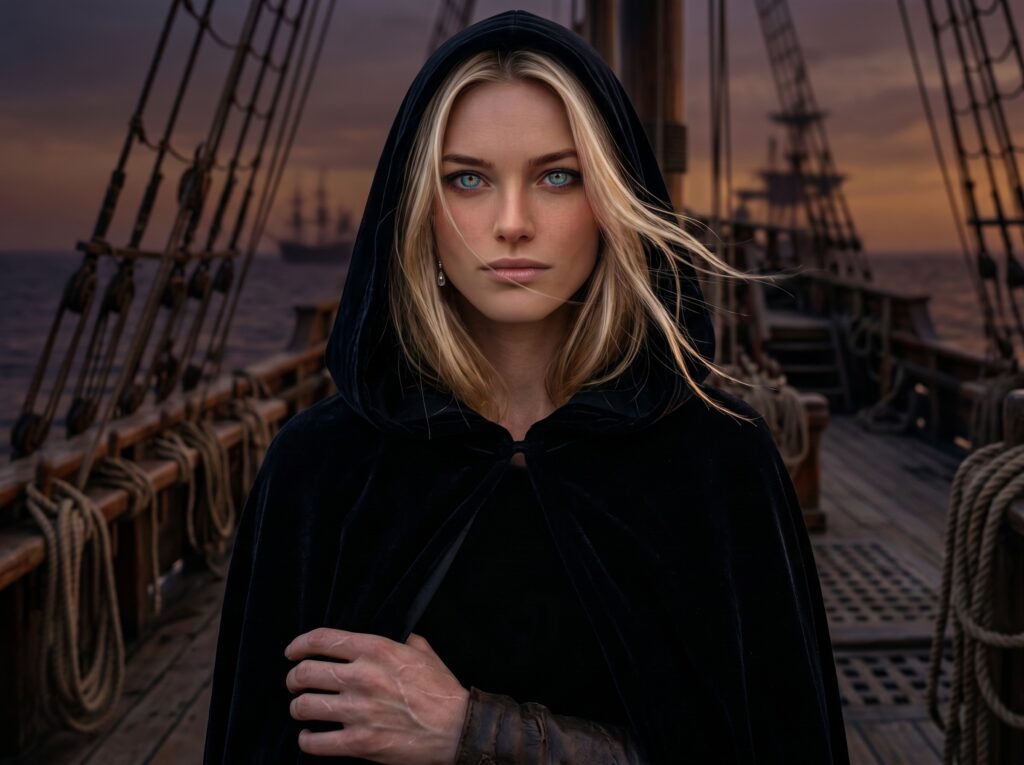
Aelin’s dominant, repeat signature traits are repeatedly emphasized across the series: her golden hair, her bright turquoise eyes ringed with gold, and her scars.
Her freckles are entirely environmental—a light dusting across the bridge of her nose that temporarily deepens after months outdoors in Wendlyn or Endovier, but otherwise blends naturally into her complexion. They are not a permanent, high-contrast face pattern, but an expression of her skin reacting dynamically to her surroundings.
When a detail is subtle, noticing it becomes a meaningful narrative milestone. If Rowan or Chaol catches that faint speckle on the bridge of her nose, it signals physical proximity and emotional intimacy—a quiet storytelling moment that loses its weight if the freckles are blaringly obvious from thirty yards away.
2. Feyre & The Archeron Sisters: Intimacy, Subtlety & The Pale Golden-Olive Chameleon
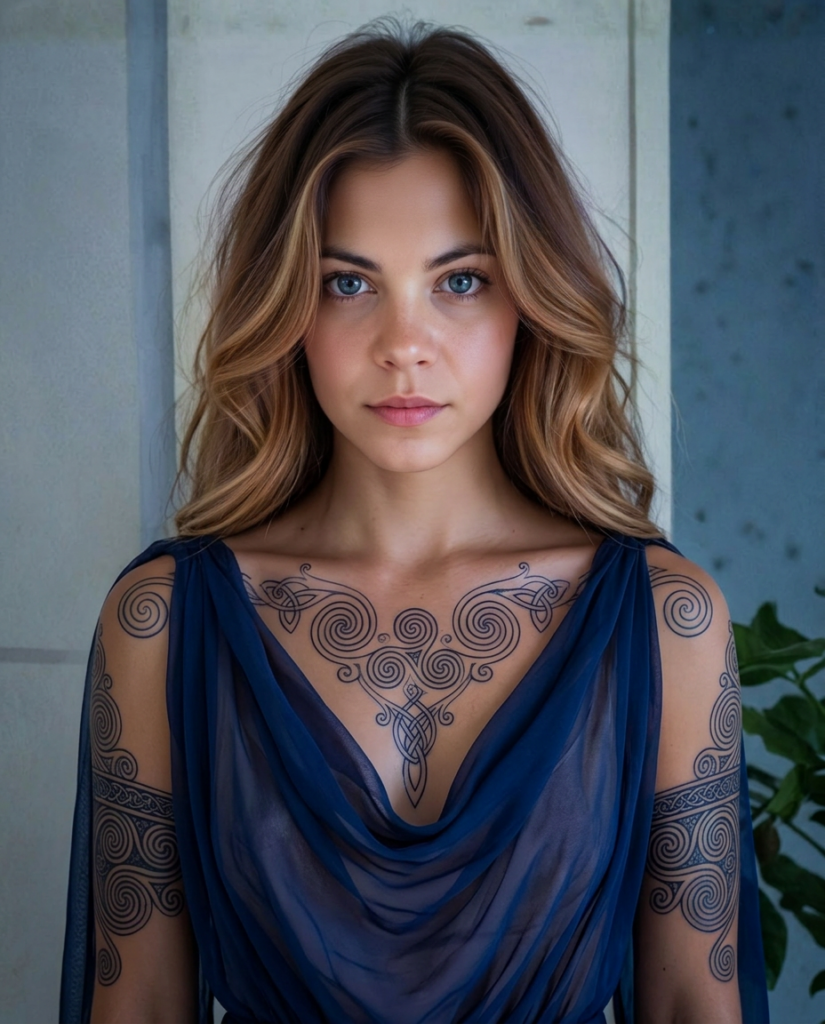
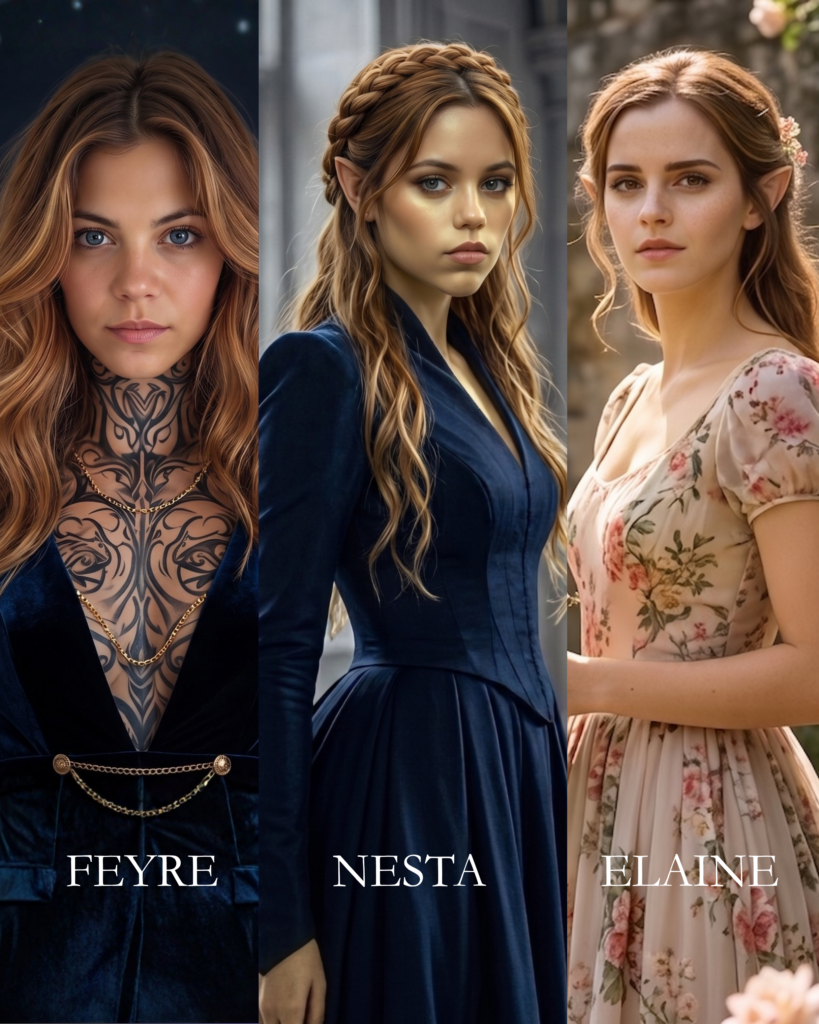
In daily life under the Prythian sun or in the Spring Court, Feyre’s descriptions center on her deep grey-blue gaze, regal and structured facial features, and golden-brown hair. Freckles are not described as a defining signature feature for her or her sisters.
In fact, the ultimate proof lies in the Starfall scene: it takes glowing celestial dust, extreme proximity, and Rhysand’s intense, intimate focus for her faint freckles to even be highlighted. They are micro-details, virtually unnoticeable at a distance, serving as an indicator of physical and emotional closeness rather than a bold aesthetic stamp.
And while we’re talking features, let’s talk skin tone. Feyre comes from a merchant family embedded in a coastal trade ecosystem on the Continent, a region defined by global movement and historical commerce… which brings me to my hypothesis: this girl has a mixed lineage. Giving Feyre a pale golden-olive undertone honors that ancestral background.
This isn’t a dark or deep olive, but a delicate, warm undertone that behaves like a chameleon:
-
- In neutral light or winter, she reads as pale, but never chalky, washed out, or default-European.
-
- When dressed in Night Court star-sapphire velvets and deep blues, her pale olive undertone radiates a rich visual harmony that stark white skin simply cannot achieve.
-
- Under the sun, her skin picks up warmth effortlessly without turning bright pink.
She explicitly mentions her skin looking gold with certain garments and light. That hue shift and her ability to effortlessly pull off both the cool silver and warm gold jewelry Rhys showers her with points to only one answer: you are looking at the olive skin girly of the bunch.
3. Bryce Quinlan: Golden Warmth & The Human Star-Dust Signature
Contrast Feyre’s pale golden-olive undertones and Aelin’s faint sun-spots with Bryce Quinlan.
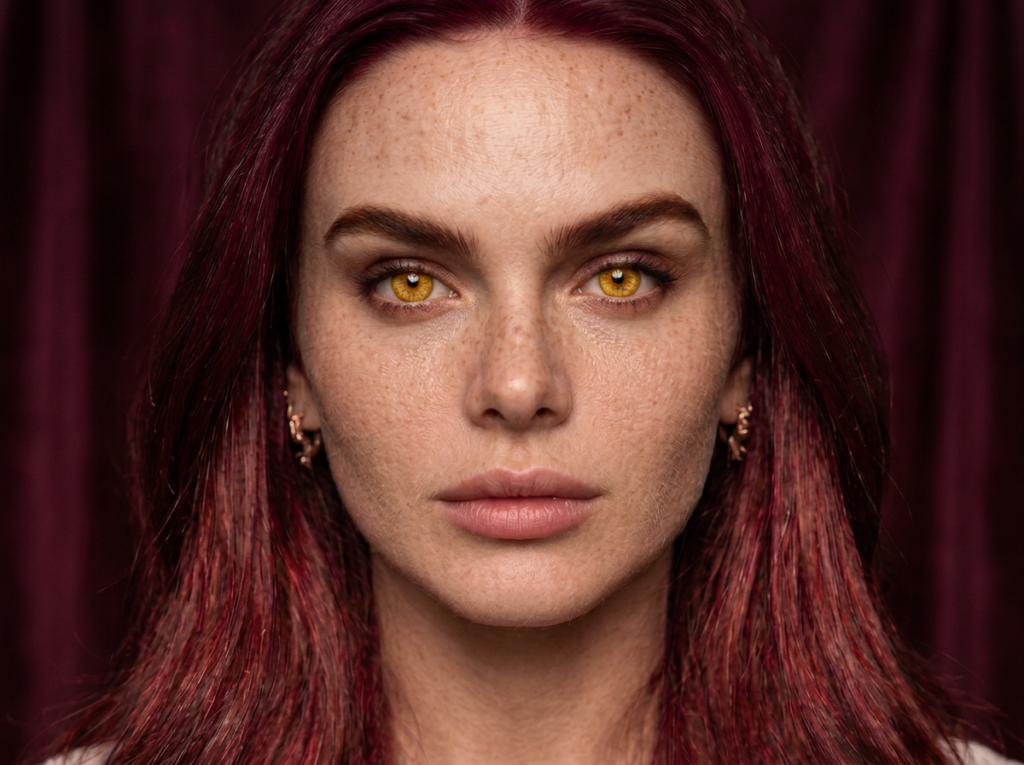
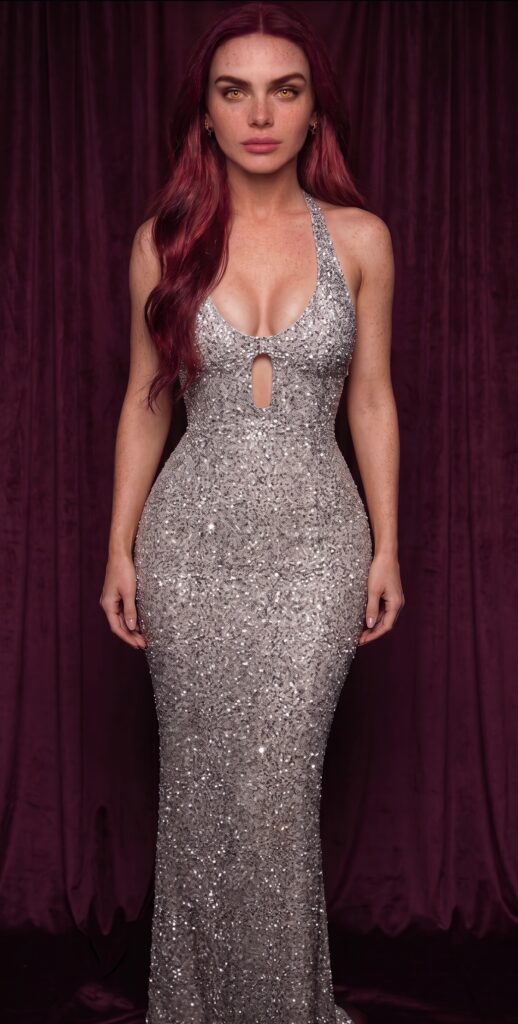
Bryce’s “golden” skin isn’t an underlying olive undertone; it is a rich, sun-kissed tan with a warm base derived from her active, outdoor lifestyle in Crescent City. Paired with her natural wine-red hair and striking amber eyes, Bryce’s complexion is loud, unapologetic, and luminous.
Unlike Feyre or Aelin, the explicit mention of freckles for Bryce in Crescent City indicates that they are a signature, defining feature for her. Her freckling is bold and systemic across her face, neck, and chest—matching (in my opinion) her chaotic “Contender” energy.
From a genetics perspective, her pale, warm base skin tone paired with red hair dramatically increases her genetic likelihood for high-density freckling. Furthermore, within the world rules of Midgard, freckles are synonymous with human heritage. Her mixed lineage has her speckled like star dust across her entire skin profile, making her freckles both lore-accurate and central to her identity. And we love her for it.
Check it out: Honoring the Text
When we push back against algorithmic convergence and feedback loops, it isn’t about criticizing individual artist choices. It’s about slowing down, maintaining human artistic intent, and appreciating how much intentionality sits within the source material. And enjoying all the fan art that is out there.
When we honor environmental context, specific undertones, and textual subtlety, our heroines stop looking like copy-paste templates. They gain grit, history, and an unmistakable identity that truly feels like them—and we open the door to a far more inclusive representation of beauty across the fantasy realm.
Here is how we bring those textual truths to life in the Maasverse: